
Parenting guide
Article overview
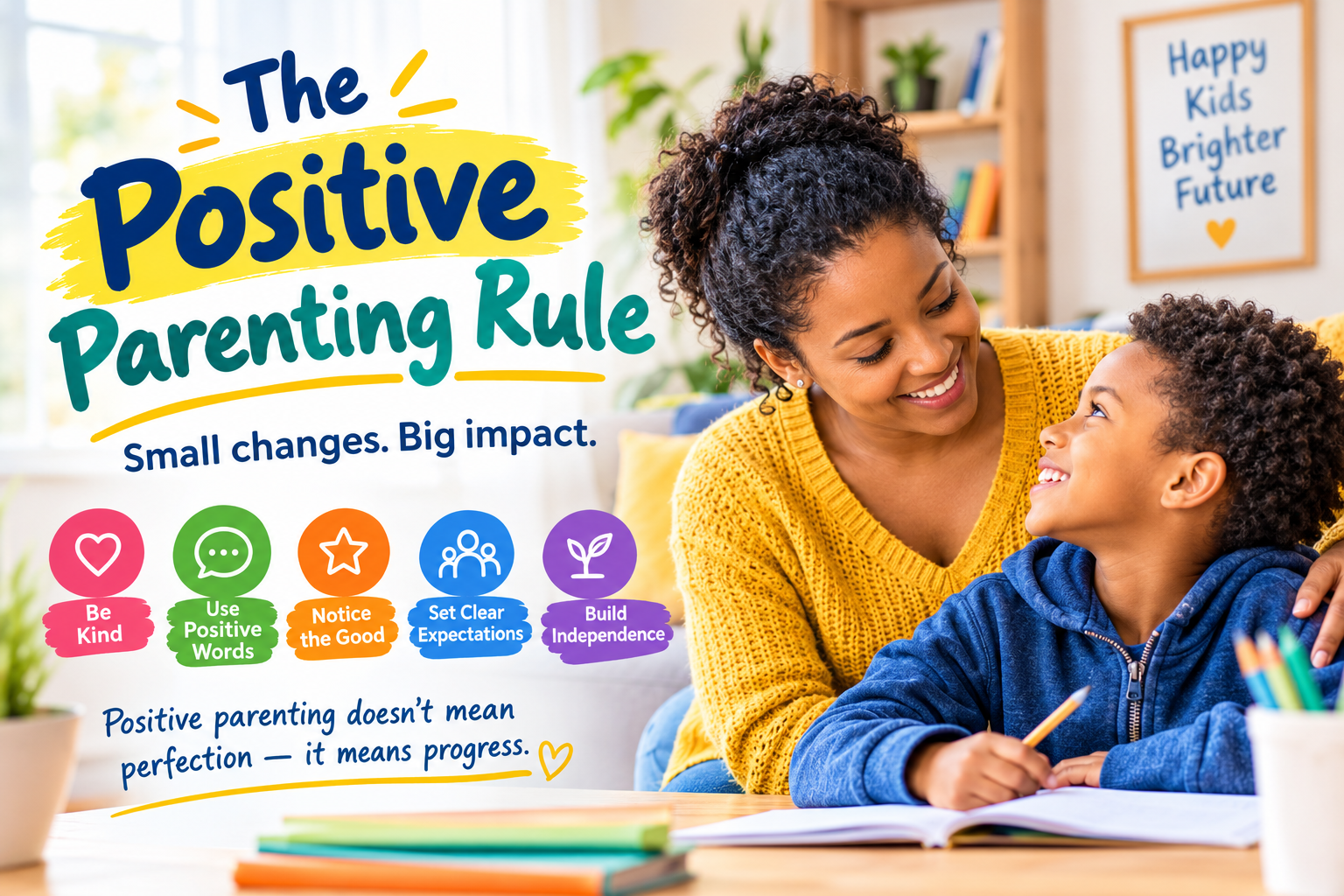
🌟 The Positive Parenting Rule
The Positive Parenting Rule: 5 Simple Steps to Raise Happy, Confident Kids
You don’t have to be a perfect parent. Every single day brings a fresh opportunity to listen, connect, teach, and grow alongside your child. When things get overwhelming, just remember the core Positive Parenting Rule:
Connect → Listen → Guide → Set Boundaries → Encourage
By shifting our focus from punishment to connection, we can build a strong, lifelong bond with our children. According to major global health organizations like UNICEF, the CDC, and the American Academy of Pediatrics (AAP), positive parenting helps children develop independence while feeling completely safe and understood.
Here are 5 practical, expert-backed strategies you can start using today.
1. ❤️ What Is Positive Parenting?
Positive parenting is an approach centered on mutual respect, safety, and understanding. It does not mean letting your children do whatever they want. Instead, it is the perfect balance of love and firm boundaries.
Why Connection Matters
When children feel securely connected to their parents, they are more resilient and cooperative. Leading with encouragement instead of fear creates an environment where children thrive.
3 Things Parents Can Do Today:
- Listen actively: When your child speaks, drop everything and give them your full attention.
- Set age-appropriate expectations: Remember that children are still learning how to manage big emotions.
- Lead with love: Ensure your child knows your love is unconditional, even when their behavior needs correction.
2. 🧘 Discipline Without Yelling
Many parents default to shouting when they are stressed, but research shows that shouting is counterproductive and can actually increase a child's anxiety and aggression.
Discipline vs. Punishment
- Punishment is meant to make a child suffer for a mistake.
- Discipline is meant to teach them how to make a better choice next time.
The AAP recommends positive discipline strategies like modeling good behavior, setting clear limits, and using natural or logical consequences (e.g., if a toy is thrown, it gets put away for the afternoon).
5 Calm Phrases to Use Instead of Yelling:
- "I see that you are angry, but I cannot let you hit."
- "Let’s take a deep breath together before we talk."
- "It is okay to feel upset, but it is not okay to break things."
- "I need you to use your quiet walking feet inside."
- "How can we fix this problem together?"
3. ⭐ Praise That Builds Confidence
Not all praise is created equal. The CDC emphasizes using specific praise because it helps children understand exactly which behaviors they should repeat.
Focus on the Journey, Not Just the Destination
When we only praise results (like getting an 'A' or winning a game), children can become afraid of failing. When we praise their effort, they learn to love learning and persist through challenges.
Shift Your Words:
- ❌ Instead of: "You're the smartest kid alive!"
- 👉 Try saying: "I’m so proud of how hard you worked on that math puzzle."
- ❌ Instead of: "Beautiful painting, you're a natural artist."
- 👉 Try saying: "I love how many bright colors you chose to use in this corner."
4. 👂 When Your Child Doesn't Listen
It is incredibly frustrating when a child completely ignores your requests. Often, children don't respond simply because they are distracted, overwhelmed, or didn't understand the command.
To break the cycle of endlessly repeating yourself, change how you deliver instructions using CDC-approved guidance.
8 Positive Strategies That Work:
- Get down to their level: Kneel down so you are eye-to-eye before speaking.
- Give short, clear instructions: Avoid long lectures. Say "Shoes on, please" instead of a long list of tasks.
- Give choices: Empower them by asking, "Do you want to put on your blue shoes or your red shoes?"
- Check for understanding: Ask them to politely repeat back what you just requested.
- Avoid repeating commands: Say it once, verify they heard you, and follow through consistently.
- Praise cooperation: The moment they comply, notice it! "Thank you for putting your toys away the first time I asked."
- Stay consistent: Keep the same routines so they always know what to expect.
5. 🧡 15 Minutes of Connection Every Day
Building a strong relationship doesn't require hours of free time. UNICEF and parenting experts agree that spending just 15 minutes a day of focused, uninterrupted one-on-one time can dramatically improve your child's behavior and emotional well-being.
Simple Ways to Connect Daily:
- Put away all phones: Give your child 100% of your presence without digital distractions.
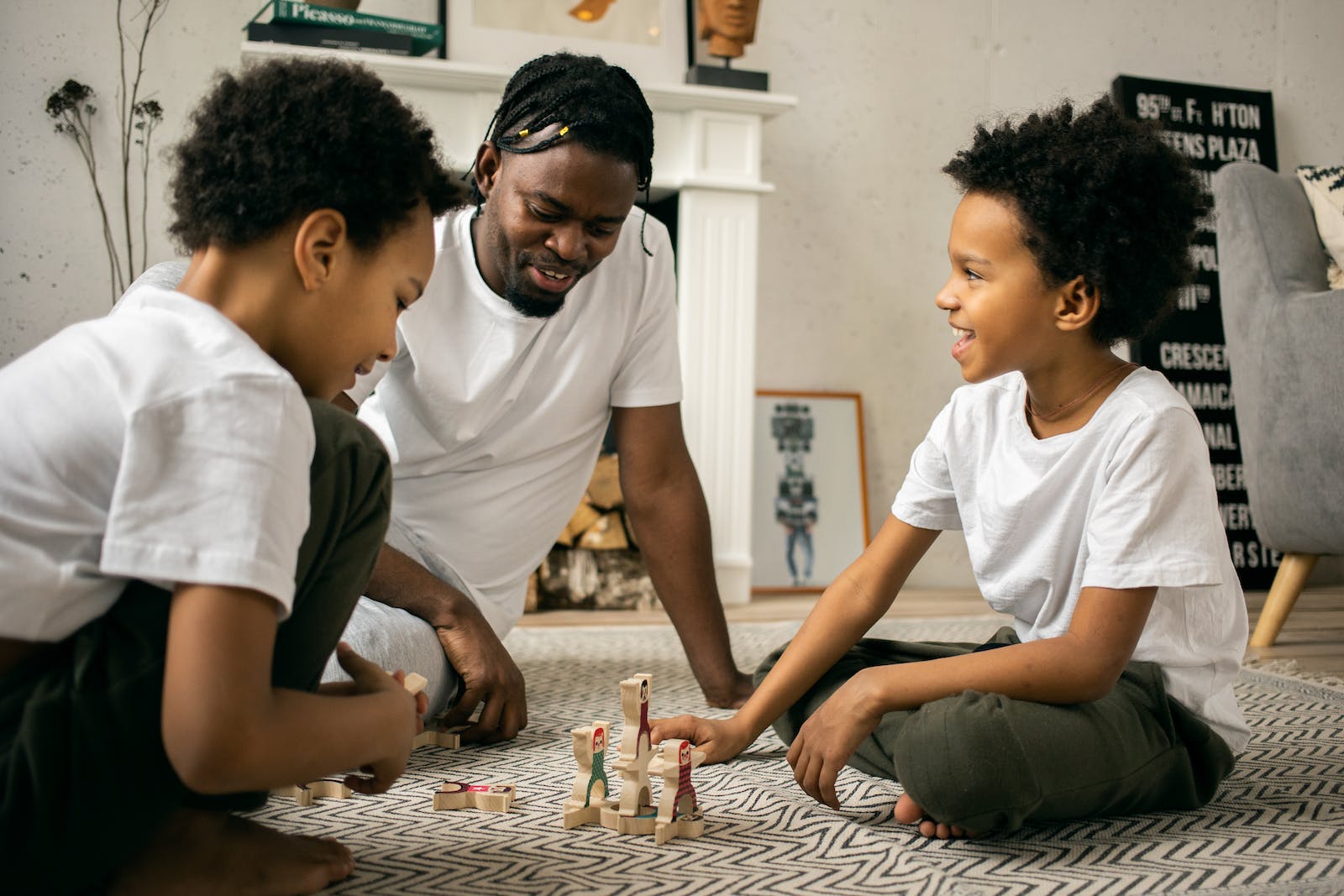
- Play together: Let your child choose the game and lead the playtime rules.
- Read together: Snuggle up with a favorite book before naptime or bedtime.
- Eat together: Share a meal and talk about the best parts of your day.
- Listen without correcting: Allow them to vent their feelings or tell a story without interrupting to fix it.
👨👩👧👦 Try This Today!
Don't try to change everything overnight. Choose just one tip from this article and practice it with your child today.
💬 Which one will you try first? Let us know in the comments below!
If you found this helpful, please share this article with another parent who might need a little encouragement today!
EthiKidsPlay — Helping Parents Raise, Teach & Play With Children.
Next Steps: If you would like to expand on this blog post, let me know if you want to add a downloadable PDF checklist for parents, or if you need social media captions to help promote this post on Facebook and Instagram!