
Parenting guide
Article overview
Simple parent-child activities
Here is a complete, professional blog article for your EthiKidsPlay website, written for parents and families, with practical activities they can enjoy at home and outdoors.
Simple Parent-Child Activities: Easy Ways to Connect, Learn, and Play Together
Category: Family Activities
Subcategory: Parenting Tips / Learning Through Play
Target Audience: Parents and caregivers
Estimated Reading Time: 5 minutes
Introduction
Spending quality time with your child does not have to involve expensive toys, special equipment, or complicated plans. Sometimes, the simplest activities create the happiest memories and the strongest family connections.
Whether you are a busy parent working from home, managing household responsibilities, or looking for fun ways to spend the weekend, small moments of play can make a big difference in your child's life.
From drawing and storytelling to cooking together and exploring nature, simple parent-child activities help children develop creativity, confidence, communication skills, and emotional connections with their parents.
Here are 10 easy activities you can enjoy with your child at home or outdoors.
1. Draw and Color Together
You do not need to be an artist to enjoy drawing with your child. All you need is paper, crayons, pencils, or markers.
Ask your child to draw their favorite animal, a happy family, or a place they would love to visit. Join them by creating your own picture, too.
Why it matters: Drawing encourages creativity, imagination, and fine motor skills while giving children an opportunity to express their feelings.
Parent tip: Instead of correcting your child's drawing, ask questions such as, “Can you tell me about your picture?”
2. Read a Story Before Bedtime
Choose a picture book, a short story, or a familiar traditional Ethiopian folktale. Sit comfortably together and take turns reading or describing the pictures.
For younger children, use different voices for characters and invite them to guess what happens next.
Why it matters: Storytime supports language development, listening skills, imagination, and a love of reading.
Parent tip: Make storytelling part of your bedtime routine, even if you only have 10 minutes.
3. Cook a Simple Meal Together
Invite your child to help with age-appropriate kitchen tasks. They might wash vegetables, mix ingredients, arrange fruit, or help prepare a simple snack.
You could make a fruit salad, prepare sandwiches, or introduce your child to a family recipe.
Why it matters: Cooking teaches practical life skills, cooperation, counting, and responsibility.
Parent tip: Let your child participate safely. Keep sharp knives, hot surfaces, and boiling liquids out of their reach, and supervise them throughout the activity.
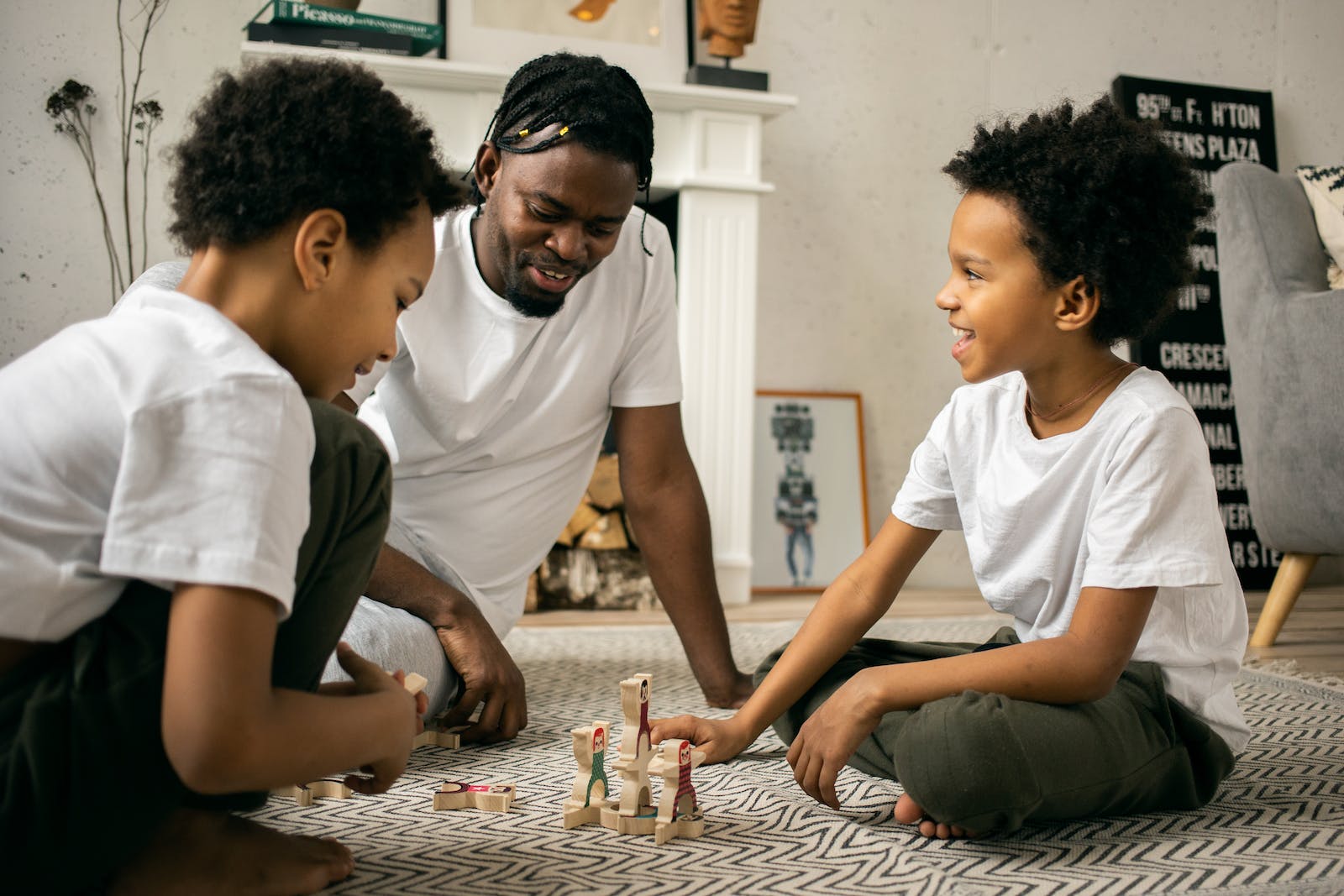
4. Build Something with Household Items
Collect cardboard boxes, paper cups, building blocks, or empty cardboard tubes and challenge your child to build a house, tower, bridge, or imaginary city.
Work together to design your creation, then see how tall or strong you can make it.
Why it matters: Building activities encourage problem-solving, creativity, spatial awareness, and teamwork.
Parent tip: Celebrate the ideas your child tries, even when the structure falls down. Trying again is part of learning.
5. Play a Question-and-Answer Game
Turn an ordinary conversation into a fun game. Take turns asking questions such as:
What made you happy today?
If you could visit any place, where would you go?
What is your favorite animal, and why?
What would you do if you could help someone today?
You can also play “Would You Rather?” with age-appropriate choices.
Why it matters: These conversations encourage language development, self-expression, curiosity, and emotional connection.
Parent tip: Listen without immediately correcting or judging your child's answers. Give them time to express their ideas.
6. Go on a Nature Walk
Take a short walk around your neighborhood, a nearby park, or a safe outdoor space. Look for birds, leaves, flowers, insects, and interesting shapes in the clouds.
Invite your child to describe what they see and hear.
Why it matters: Outdoor exploration encourages curiosity, physical movement, observation, and an appreciation of nature.
Parent tip: Let your child lead the discovery. Keep them close in traffic areas and avoid touching unknown plants or insects.
7. Play Music and Dance Together
Choose your family's favorite songs and have a mini dance party at home. You can introduce traditional Ethiopian music, children's songs, or simple clapping rhythms.
Take turns inventing dance moves and copying each other's actions.
Why it matters: Music and movement support coordination, rhythm, self-expression, and positive family interaction.
Parent tip: Focus on having fun rather than performing perfectly. Let your child choose a song, too.
8. Create a Family Story
Start a story with one sentence, such as, “One morning, a little rabbit discovered a mysterious box.”
Ask your child to add the next sentence, then continue taking turns until you have created a complete story together.
Your story might feature a brave child, a magical forest, or an adventure in Ethiopia.
Why it matters: Story creation strengthens imagination, vocabulary, communication, and creative thinking.
Parent tip: Write down the story or draw pictures together so your child can revisit your shared creation.
9. Play Simple Indoor Games
You can enjoy many games without buying anything new. Try:
Simon Says: Follow instructions when the leader says “Simon says.”
Hide-and-Seek: Take turns hiding and finding each other in safe areas.
Memory Game: Place a few familiar objects on a table, cover them, and ask your child to remember what they saw.
Puzzle Challenge: Work together to complete a simple puzzle.
Follow the Leader: Take turns leading movements, clapping, or funny poses.
Why it matters: Games help children practice attention, memory, movement, patience, and taking turns.
Parent tip: Adapt the rules to your child's age and ability so everyone can participate.
10. Put Away Phones and Talk Before Bedtime
Set aside a few minutes without phones, television, or other distractions. Sit with your child and talk about the day.
Ask what they enjoyed, what felt difficult, or what they would like to do tomorrow. Give them your full attention and share something about your own day, too.
Why it matters: Regular conversations can help children feel heard, valued, and emotionally supported.
Parent tip: You do not need to solve every problem immediately. Sometimes, listening and offering comfort are enough.
How Much Time Should Parents Spend on These Activities?
You do not need to schedule hours of activities every day. Even 10–15 minutes of focused, child-led play can be a meaningful opportunity to connect.
Try choosing one simple activity each day and allowing your child to help decide what to do. Some days you may have more time, while on others, a short conversation or shared bedtime story may be enough.
The goal is not to keep your child entertained every minute. It is to build a relationship where they feel safe, loved, and encouraged to explore the world.
Final Thoughts
Simple parent-child activities can turn ordinary moments into valuable opportunities for learning and connection. Drawing together, cooking a meal, sharing stories, or taking a short walk can help your child develop important skills while creating memories your family will treasure.
You do not need to be a perfect parent or have expensive resources. What matters most is showing interest, being present, and enjoying the time you share.
Your family activity challenge: Choose one activity from this list and try it with your child today. Ask them which activity they would like to repeat tomorrow.
Share your experience: What is your child's favorite activity to do with you? Share your ideas with other parents and inspire more families to play, learn, and grow together.
EthiKidsPlay — Helping families discover more ways to play, learn, and grow together.
TAGS
Parenting Tips, Family Activities, Learning Through Play, Child Development, Family Bonding
Featured image recommendation
Use a realistic, warm photograph of an Ethiopian parent and child drawing together at a table in a comfortable family home. Leave some clear space for a title overlay if needed.
Suggested image alt text: Ethiopian parent and child enjoying a simple drawing activity together at home.
Suggested placement: Put the featured image directly below the article title, then use smaller supporting photos after selected activity sections.
More ideas in this section
- Suggested title:15 Minutes a Day: How Small Moments Can Strengthen Your Relationship With Your Child
- Cover:
- One-on-one time
- Playing together
- Reading together
Use these ideas as a starting point, adapt them to your family, and consult a qualified professional when personalised advice is needed.
Source: 8 EthiKidsPlay → Parenting.docx.